Last week, I wrote about Why Visibility At Work Matters More Than Hard Work and the uncomfortable reality that, however capable we are, people cannot value contributions they never really see.
The article came from my own experience of quietly working hard while somebody else – who was much more comfortable talking about what she was doing and making sure the right people knew about it – progressed much faster than I did.
And while writing it, I realised something else.
Visibility itself feels much harder than it used to.
Back in my day – which suddenly makes me sound approximately 147 years old – visibility at work felt relatively straightforward.
- You contributed in meetings.
- You built relationships over coffee in the canteen.
- You bumped into senior people in corridors.
- People overheard conversations.
- They saw how you handled pressure.
- They noticed how you solved problems, supported colleagues or dealt calmly with difficult situations.
Visibility still mattered – probably far more than many of us realised at the time – but the workplace itself created more natural opportunities for people to see you without everything feeling so deliberate.
Visibility was woven naturally into everyday working life without most of us even really thinking about it.
Now, for many people, visibility feels completely different.
It feels deliberate, performative and sometimes, if I’m honest, a bit exhausting.
Increasingly, it can feel as though you are constantly trying to prove that you exist.
I’ve Experienced This Shift First Hand
One of the reasons this topic interests me so much is because I’ve experienced the impact of reduced visibility in my own business.
Before Covid, I was delivering in-person training courses two or three times a week all over the country.
And the interesting thing was that the work often became self-perpetuating.
Not just because I was delivering great courses – although of course that helped – but because face-to-face environments naturally created relationships.
- There was downtime before sessions.
- Conversations over coffee.
- Chats at lunch.
- Dinner after workshops.
- Funny stories shared between sessions.
- The random moments before people left the room.
And those moments mattered far more than I realised at the time.
Someone would mention me to a colleague.
A senior leader would happen to walk past and join a conversation.
Another department would hear positive feedback.
Someone would say:
“You should speak to Jo about this.”
Work grew through human proximity.
Relationships deepened naturally because people repeatedly experienced you in different contexts – not just professionally, but personally too.
Then suddenly, almost overnight, everything moved online.
And while virtual delivery absolutely has benefits, something important quietly disappeared.
I still delivered great work, I still coached people and I still facilitated programmes.
But I lost the relationship-building that happened around the work.
- There were no casual conversations while waiting for coffee.
- No spontaneous introductions.
- No walking back from lunch together.
- No senior manager unexpectedly joining the room.
- No deepening of relationships through small, human moments.
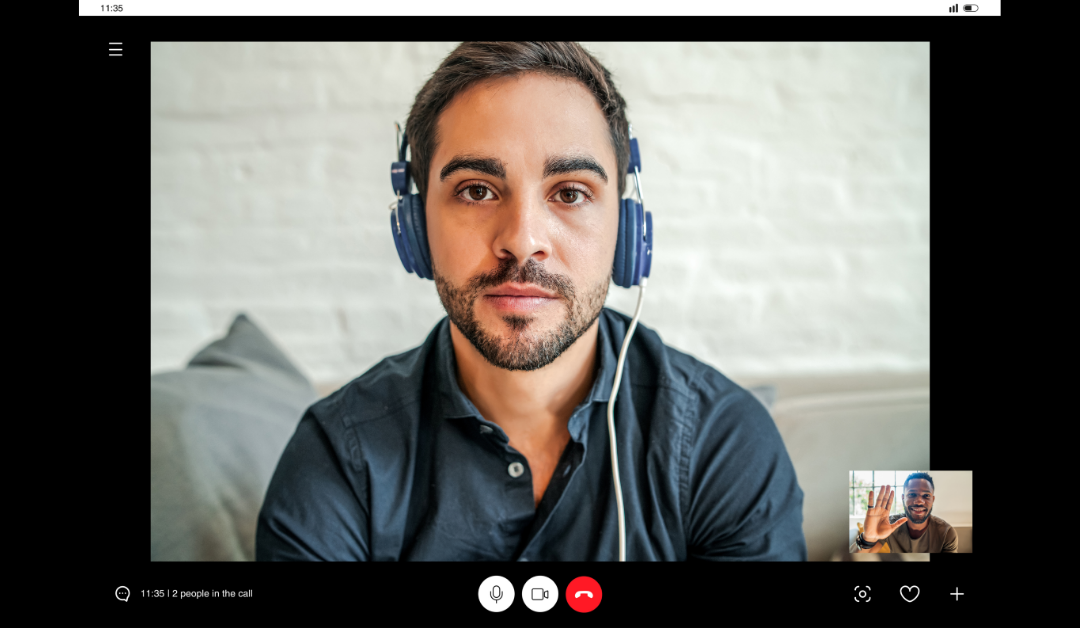
The session ended and everyone simply disappeared into tiny black rectangles.
And if I’m being wholly transparent, it had a direct impact on my business.
Before Covid, I was delivering two to three courses a week. Suddenly, I was lucky if I was delivering two to three a month, which – as the main breadwinner – felt genuinely frightening.
I know I hadn’t suddenly become bad at my job so I assume it was because visibility itself had changed.
Looking back now, though, I can also see that the fear forced me to adapt in ways I probably would not have otherwise.
It pushed me to finally write another book.
It pushed me to create an online course alongside it.
It pushed me to get to grips with social media and visibility in a way I had probably resisted for years.
Which is slightly ironic really, given this entire article is about how uncomfortable visibility can feel.
The Modern Workplace Changed What Visibility Looks Like
I think many people are experiencing this same shift inside organisations too.
Hybrid and online working reduced many of the small moments that once created natural visibility:
- spontaneous conversations,
- informal recognition,
- relationship-building,
- being physically seen,
- and the subtle trust that builds simply from repeated human interaction.
At the same time, modern work has increased the pressure to communicate constantly.
Now visibility often feels tied to:
- speaking up publicly,
- posting on LinkedIn,
- maintaining visibility online,
- contributing visibly in meetings,
- updating stakeholders regularly,
- and ensuring people know what you are doing in environments where much of your work has become invisible.
For some people, this feels completely manageable.
For others, it feels emotionally uncomfortable in a way they can’t fully explain.
Because visibility no longer simply feels like contribution.
It feels like exposure.
Why Visibility Feels More Emotionally Loaded Now
I also think modern work has quietly changed the emotional meaning attached to visibility.
Years ago, visibility often happened alongside relationships.
People knew you.
They had spent time with you.
They had spoken to you over coffee or lunch.
There was context around who you were as a person.
Now visibility can feel far more public and disconnected.
People are navigating:
- LinkedIn,
- personal branding,
- online profiles,
- constant communication,
- digital meetings,
- performance pressure,
- comparison,
- and increasing anxiety about relevance and value.
Which means visibility can start to feel psychologically loaded in ways many people don’t consciously realise.
Not just:
- “Will people notice me?”
But:
- “What if people judge me?”
- “What if I sound arrogant?”
- “What if I get it wrong publicly?”
- “What if everyone else seems more confident than me?”
- “What if I’m not actually good enough?”
Breakthrough Insight
The modern workplace increasingly rewards visible competence, but many people were psychologically conditioned for quiet competence instead.
For years, many of us were taught:
- work hard,
- be reliable,
- don’t show off,
- keep your head down,
- and let your work speak for itself.
Except increasingly, work no longer speaks for itself because fewer people actually see it happening.
And that creates a very uncomfortable tension.
Because many people now know visibility matters for progression, influence and opportunity, but emotionally, visibility can still feel associated with:
- judgement,
- criticism,
- self-promotion,
- getting things wrong,
- standing out,
- or being “too much.”
So people stay quiet.
Overthink emails.
Delay posting.
Avoid speaking up.
Minimise achievements.
Wait until things feel perfect before contributing.
Not because they lack capability, but because visibility feels psychologically riskier than it used to.
Perhaps This Is Why So Many Capable People Feel Invisible
I think one of the hidden emotional challenges of modern work is that we are asking people to become more visible at exactly the same time they feel more psychologically exposed than ever before.
No wonder so many capable people feel exhausted by it.
Because visibility is no longer just a professional skill.
For many people, it has quietly become an emotional challenge too.
You Might Also Find These Helpful
- Why Visibility At Work Matters More Than Hard Work
- Why Some People Get Promoted And Others Don’t
- How You Might Be Sabotaging Your Own Promotion
Ready To Explore This Further?
If this article resonated with you, my work explores the hidden psychological patterns shaping how people think, react and behave at work – particularly around confidence, communication, leadership and visibility.
For Individuals
Explore The Confidence Breakthrough book and programme to better understand the patterns shaping your confidence and behaviour at work.
For Organisations
I work with organisations, teams and leaders to help people communicate more effectively, build confidence, strengthen leadership and create healthier workplace dynamics through The Breakthrough Framework™.
If this article resonated with you, you might enjoy Jo’s Weekly Breakthrough – where I explore the hidden patterns sitting underneath confidence, communication, visibility and behaviour at work, alongside the personal stories and breakthrough insights behind each week’s blog.